What is Sideburn Transplant?
Sparse or irregular hairs in the sideburn area can affect aesthetic appearance, and a special method is applied as a solution. Follicles taken from the donor area are placed in the recipient area at a natural angle, and density is achieved thanks to sideburn transplantation. The procedure is performed under local anesthesia and completed with minimal trauma. Doctors meticulously plan the angle and density of the follicles. In this way, symmetry is maintained and an aesthetically pleasing mustache line is achieved. The recovery time is short, and the patient can return to their daily routine in a short time. The follicle retention rate is high, and a long-lasting result is obtained.
Who is Favorite Hair Transplant Suitable For?
This procedure is suitable for adults experiencing sparse or absent sideburns, provided there are sufficient hair follicles available from the donor area. The follicles are placed at a natural angle, and the doctor meticulously plans the density. The procedure is performed under local anesthesia, with minimal trauma. Sideburn transplantation is ideal for those who desire an aesthetically pleasing line and symmetry. The patient recovers quickly and can return to their daily routine. This method ensures safe and aesthetically pleasing results.
How is a Sideburn Transplant Performed?
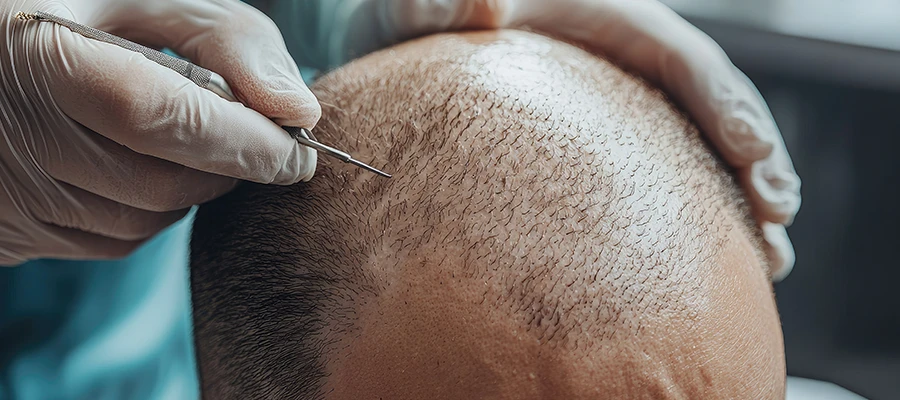
Follicles taken from the donor area are placed in the recipient area using special techniques, preserving the natural angle. During the hairline transplant, channel opening is done with minimal trauma and local anesthesia is applied. The patient experiences minimal discomfort during the procedure. Doctors meticulously plan the angle and density of the follicles. This method ensures an aesthetically pleasing and symmetrical mustache line. The recovery period is short, and the patient can return to their daily routine quickly.
Techniques Used in Side Finger Planting
The most commonly used methods are FUE and DHI techniques. Follicles are placed in the transplantation area at a natural angle using special hand instruments or an implanter pen. Local anesthesia is applied, and the procedure is completed with minimal trauma. Doctors plan the density and angles. These techniques ensure that the follicles are placed without damage and that an aesthetic result is achieved. The recovery period after the procedure is short, and a natural appearance is preserved.
Things to Consider Before a Sideburn Hair Transplant
Alcohol and smoking should be avoided before the procedure, and blood-thinning medications should be discontinued under the supervision of a doctor. The donor area must be clean, and the patient’s medical history will be evaluated by the doctor. Preparation before the favorite hair transplant increases the follicle implantation rate and reduces the risk of complications. Following the instructions supports both a safe and successful outcome. This preparation process ensures a comfortable and safe experience for the patient.
How long does it take for a hair transplant to heal?
Recovery after a hair transplant typically takes 5–7 days, and any mild redness or crusting disappears quickly. Because the follicles are placed at a natural angle, the mustache line appears aesthetically pleasing. Doctors provide aftercare instructions and offer suggestions to reduce the risk of infection. The minimally invasive method shortens the recovery time. The patient can quickly return to their daily routine, and a natural result is achieved.
How to Care for Sideburns After a Hair Transplant?
After the procedure, it’s important to treat the area gently, avoid bumps, and follow the doctor’s recommended care instructions. Mild crusting or redness is normal and will disappear quickly. Regular care ensures the preservation of the aesthetic mustache line and accelerates the healing process. The procedure, performed under local anesthesia, is completed with minimal trauma. Because the follicles are placed at a natural angle, the result is long-lasting and aesthetically pleasing.
What precautions should be taken after a hair transplant?
After a hair transplant, the treated area should not be subjected to impact, scratching, or harsh friction. Following the instructions will prevent infection and follicle loss. Mild redness and crusting will disappear within a few days. Because the follicles are placed at a natural angle, the mustache line will be aesthetic and symmetrical. The patient can return to their daily routine in a short time, and the procedure is completed safely.
When Does a Sideburn Hair Transplant Look Natural?
After a hair transplant, the transplanted follicles usually begin to grow as fine strands within 3-4 months, and the density and natural hairline become more pronounced between 6-12 months. Because the follicles are placed at a natural angle, the hairline gains an aesthetic appearance. The first hairs that grow may temporarily fall out, after which permanent hairs will grow. Doctors monitor the development with follow-up checkups and offer advice as needed. This process requires patience, but the result is aesthetic and natural. Since the procedure is performed with minimal trauma, the recovery period is short and comfortable.
Favorite Hair Transplant Before and After
Alcohol and smoking should be avoided before the procedure, and blood-thinning medications should be discontinued under the doctor’s supervision. The donor area must be clean, and the patient’s medical history must be evaluated. During the hair follicle transplant, follicles are placed in the recipient area at a natural angle. Mild redness or crusting after the procedure is normal and disappears within a few days. Following the doctor’s washing and care instructions reduces the risk of infection. Patients can return to their daily routine quickly, and the aesthetic line is preserved. This process ensures both a safe and natural result.
Does a sideburn transplant hurt?
With local anesthesia, patients experience minimal discomfort and little pain during the hair transplant procedure. The donor and recipient areas are treated with special techniques, reducing the risk of trauma and pain. Doctors meticulously plan the angle and density of the follicles. Mild redness or crusting may occur, but it disappears quickly. Being a minimally invasive method, the procedure is comfortable and safe. Placing the follicles at a natural angle ensures an aesthetically pleasing and symmetrical mustache line.
Is Sideburn Transplantation Risky?
Favorite hair transplantation is a minimally invasive procedure and safe for most patients, although in rare cases follicle loss or donor site sensitivity may occur. Doctors evaluate the patient’s medical history before the procedure and take precautions to reduce risks. Because the follicles are implanted at a natural angle, the engraftment rate is high. Following post-procedure instructions reduces complications and helps maintain aesthetic results. With minimal trauma and proper planning, the procedure is safe and effective.
Sideburn Hair Transplant Prices 2026
In 2026, the prices for a favorite hair transplant generally ranged from €460 to €1,400, depending on the number of grafts, clinic conditions, and procedure duration.
Frequently Asked Questions
Is Favorite Hair Transplantation Permanent?
Healthy follicles harvested from the donor area, when transplanted using the “favorite hairline” technique, provide long-lasting and permanent results. Because the follicles are implanted at a natural angle, the risk of hair loss is minimal. Doctors meticulously place the roots and implement a density plan. Following post-operative care instructions supports root survival and the formation of a lasting mustache line. This allows patients to achieve a long-lasting, aesthetic, and natural look. Since the procedure is performed with minimal trauma, the recovery time is short and comfortable.
How long does a sideburn transplant take?
The procedure time varies depending on the number of follicles to be transplanted and the density plan, and a hairline transplant is usually completed in 2–4 hours. Follicles taken from the donor area are placed in the recipient area at a natural angle. Since local anesthesia is applied, the patient experiences minimal discomfort and a comfortable procedure. Doctors meticulously determine the root density and angle plan. Minimal trauma is applied during the procedure, and the risk of damage to the follicles is low. At the end of the process, an aesthetic and symmetrical mustache line is obtained. The patient recovers quickly and can return to their daily routine.
Will there be scarring after a hair transplant?
Thanks to the minimally invasive procedure, scarring after a hair transplant is very low. Mild redness or crusting may occur, but it disappears within a few days. Because the follicles are placed at a natural angle, the mustache line looks aesthetically pleasing. Doctors plan the density and angles of the roots. The procedure is completed under local anesthesia, and the patient can return to their daily routine shortly afterward. This method ensures both follicle retention and an aesthetically pleasing result. Scarring is minimal and does not affect the natural appearance.
How many grafts are needed for a sideburn transplant?
The number of grafts required depends on the size of the mustache area and the density goals. Typically, 200–400 follicles are used during a sideburn transplant, but this number can vary depending on the needs and donor capacity. Doctors consider aesthetic appearance and symmetry when planning the number of grafts. The follicles are placed at a natural angle to the transplant area, resulting in a high retention rate. The procedure promotes an aesthetically pleasing and natural outcome. The patient recovers quickly, and the mustache line achieves a permanent and natural look.
When should you shave after a sideburn transplant?
Shaving after a sideburn transplant can usually be done within 7-10 days. During this time, both the donor and recipient areas should be protected. Since the follicles are placed at a natural angle, shaving should be done carefully. Following the doctor’s care instructions reduces the risk of infection and supports follicle attachment. Mild redness or crusting will disappear within a few days. Because the procedure is performed with minimal trauma, the healing process is fast, and the patient can return to their daily routine in a short time. The aesthetic mustache line is preserved, and a natural look is achieved.